How to Improve Hotel Sales: 6 Proven Strategies for 2026


Rising guest expectations, intensified price transparency, AI-driven decision-making, and an increasingly crowded digital marketplace mean that simply having availability is no longer enough. Hotels that succeed are those that actively shape demand, diversify their sales channels, and turn data into action.
Hotel sales performance directly impacts not only revenue but also long-term brand visibility, distribution efficiency, and profitability. We will break down 6 proven strategies designed to help hotels improve sales performance in 2026.
Hotel sales refer to the strategies, processes, and activities involved in selling hotel rooms and related services to guests in order to maximize revenue and profitability. It goes beyond simply filling rooms and includes managing demand across different channels, targeting the right guest segments, and optimizing pricing and availability.
1. Prioritize direct bookings: Direct bookings give hotels greater control over guest relationships and profitability. Optimize your booking engine, website content, mobile experience, and exclusive direct-only offers to reduce dependency on third-party channels.
Integrating with metasearch platforms like Google or trivago also increases visibility for travelers comparing prices, creating more opportunities for direct bookings. Additionally, personalized communication through email or remarketing ads can reinforce the benefits of booking directly, increasing both conversion and guest loyalty.
2. Segment demand and personalize offers: Not all guests should see the same rates or packages. Use guest data to create segments of guest types.
Once segmented, properties can create targeted packages such as weekend getaways, business discounts, family bundles, or loyalty perks that appeal specifically to each group. Dynamic pricing strategies can ensure rates remain competitive while maximizing profitability, and personalized messaging through email campaigns, push notifications, or in-app offers can further encourage bookings by speaking directly to the interests and needs of each segment.
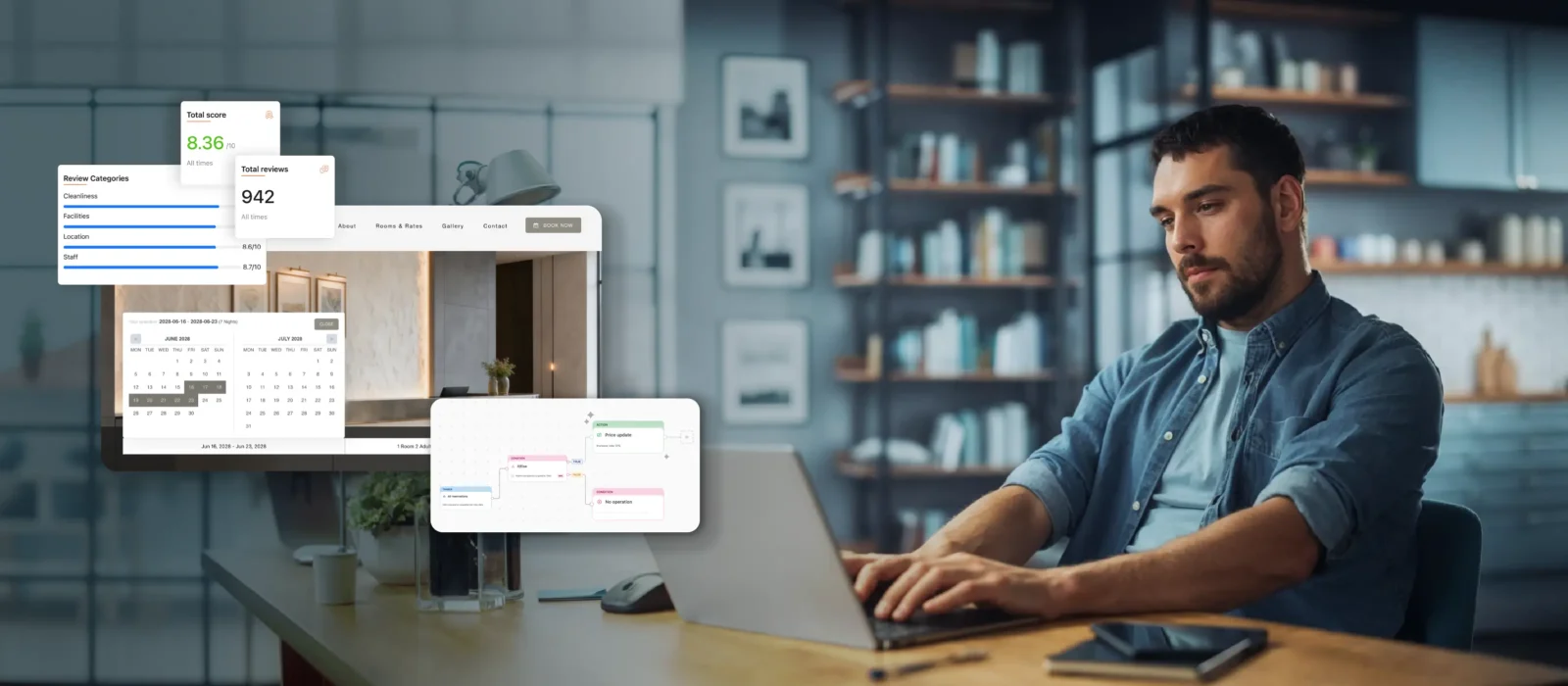
3. Use data and AI to guide sales decisions: Data-driven sales outperform intuition-led decisions. Leverage performance data, forecasting tools, and AI-powered insights to adjust pricing, availability, and channel strategy in real time.
AI-powered solutions can recommend optimal pricing, highlight upsell opportunities, and identify the most profitable channels for distribution. Scenario planning allows sales teams to test the impact of promotions, cancellations, or market shifts before implementing them, reducing risk and improving strategic agility.
4. Strengthen B2B and corporate partnerships: Corporate travel, travel agencies, and group business provide stable demand throughout the year. Expanding networks through trade shows, industry associations, or technology platforms can uncover new partnership opportunities. Tailoring packages or rate structures for corporate and agency clients not only increases bookings but also fosters long-term collaboration, creating a dependable base of high-value guests.
5. Optimize the guest journey across touchpoints: Every guest interaction is an opportunity to drive revenue. From the initial website visit to post-stay follow-ups, hotels must ensure a seamless and consistent experience across all touchpoints. A fast, intuitive website, clear booking flow, responsive customer support, and personalized messaging all contribute to a positive journey.
On-property experiences, such as smooth check-ins, attentive service, and convenient upsells, reinforce guest satisfaction and increase the likelihood of repeat bookings. Post-stay engagement through surveys, thank-you emails, or loyalty offers continues the relationship, driving future revenue and building long-term brand loyalty.
6. Automate sales and revenue workflows: Automation enables sales teams to focus on strategic initiatives rather than repetitive manual tasks. Therefore, hotels can respond faster to market changes and optimize operational efficiency.
Automation ensures accuracy in pricing and inventory, reducing errors and freeing staff to focus on personalized guest interactions or business development. Implementing these tools creates a more agile, responsive sales function, allowing hotels to capitalize on opportunities quickly and maintain a competitive advantage in a dynamic marketplace.
Hotel sales are not just about increasing occupancy; it’s about selling the right product to the right guest at the right time and through the right channel. A strong hotel sales strategy aligns marketing, distribution, pricing, and guest experience to drive sustainable revenue growth while protecting profitability.
Effective hotel sales begin with understanding who your guests are. By analyzing booking patterns, stay purposes, length of stay, and booking channels, hotels can segment their audience into meaningful groups. Clear segmentation allows sales teams to tailor offers, messaging, and distribution strategies instead of relying on a one-size-fits-all approach.
Successful sales strategies are built around well-defined buyer personas, each with distinct needs and booking behaviors:
Understanding these personas helps hotels position their offerings more effectively and close bookings faster.
Each guest segment responds to a different value proposition. What appeals to a leisure guest may not resonate with a corporate booker or event planner. Tailoring your messaging, whether it’s flexible cancellation, bundled services, corporate benefits, or event-ready facilities, ensures your sales efforts directly address what matters most to each audience.
A fast and impactful way to improve hotel sales is to audit the entire guest journey, from discovery and booking to check-out and post-stay communication. Identify friction points across websites, booking engines, OTAs, email communication, and on-property interactions. Optimizing these touchpoints can immediately improve conversion rates and create a more consistent sales experience across all channels.
Even well-performing hotels can limit their sales potential by falling into common traps. Recognizing these pitfalls early and addressing them strategically can protect both revenue and long-term growth.
While OTAs provide valuable visibility, depending on them too heavily reduces profitability and limits control over guest relationships. To avoid this, hotels should actively invest in direct booking channels, metasearch presence, and B2B partnerships to create a healthier, more balanced distribution mix.
Many hotels collect vast amounts of data but fail to turn it into actionable insights. Without regular analysis, opportunities for pricing optimization, demand forecasting, and targeted sales strategies are missed. The solution lies in using centralized reporting tools, dashboards, and AI-powered insights to guide smarter sales decisions.
Static, one-size-fits-all packages often fail to meet the expectations of diverse guest segments. Rigid offers can slow conversions and reduce relevance. Hotels should focus on flexible, segment-specific packages that can be easily adjusted based on seasonality, demand patterns, and guest behavior.
Improving hotel sales in 2026 requires a strategic shift from reactive selling to data-driven, guest-centric decision-making. To do so, you must manage distribution, pricing, reservations, and performance insights from a single ecosystem, which is where HotelRunner comes into play. Try HotelRunner today to increase hotel sales!