What is a Hotel Folio and Why is It Important?


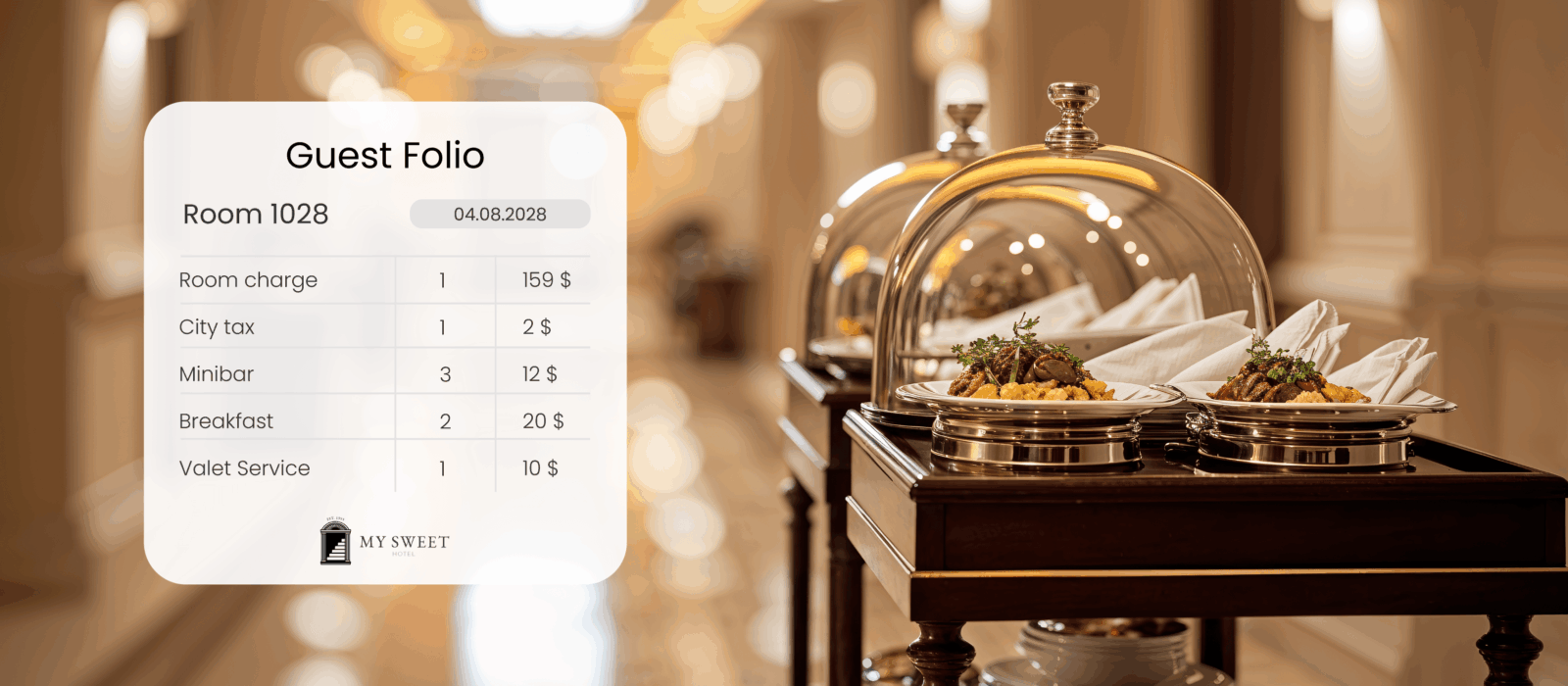
Managing a hotel’s financial heartbeat requires more than just tracking room rates; it requires a centralized system that captures every guest interaction. Whether you are navigating the complexities of group bookings or simply ensuring a morning coffee is billed correctly, the hotel folio is your most critical tool.
A hotel folio is the itemized, running record of all charges and payments tied to a reservation or guest account, maintained from check-in through checkout. It groups room rates, taxes, payments, and incidental charges under a single folio number so front‑desk and accounting teams can track balances, authorizations, and adjustments in real time.
Not exactly. A guest folio serves as a comprehensive record of all charges and payments during a guest’s stay, whereas a receipt is typically a final confirmation of payment for a specific transaction. The folio can generate receipts for individual charges or the full stay, providing transparency for both guests and hotel staff.
A folio is primarily an internal document maintained by the hotel to track all charges and payments for a guest or group. An invoice, on the other hand, is often a formal request for payment sent to a guest, company, or third party, summarizing the charges due. Folios are dynamic and updated in real time, while invoices are static snapshots for billing purposes.
A folio lists each transaction as a separate line, so accounting, the front desk, and the guest see exactly what was charged and when. Typical line items hoteliers must expect to find are:
Clear descriptions, dates, folio numbers, and posting timestamps make reconciliation and guest queries faster. Include the payment method and last four card digits when appropriate, without printing full card numbers to protect PCI compliance.
For a hotelier, the folio isn’t just a receipt for the guest; it is a vital accounting tool and a legal safeguard. It serves as the primary sub-ledger in your Property Management System that bridges the gap between guest activity and your general ledger.
Here is why the folio is the backbone of your daily operations:
The folio is your primary defense against revenue that is earned but never collected. Every transaction on a folio is timestamped and tied to a specific user ID. This allows you to track exactly who posted a charge, who adjusted a rate, and who authorized a discount.
When a guest charges it to the room at your restaurant or bar, the folio ensures that the F&B revenue is correctly attributed to the guest’s profile, preventing walk-outs on checks.
In the event of a dispute, the folio is your most powerful piece of evidence. If a guest disputes a charge with their credit card company, the folio proves they were present, used the services, and agreed to the rates. An itemized folio significantly increases your win rate for chargebacks.
In many jurisdictions, hotels are legally required to maintain records of guest folios for a set number of years for tax audits and local police reporting.
The folio accurately splits your gross revenue from taxes payable. This ensures you are remitting the correct amount of occupancy, sales, and tourism taxes to the government.
From a marketing perspective, the folio is a goldmine of behavioral data. By analyzing folios, you can see if a specific guest prefers the spa over the bar, or if they consistently order room service. This allows you to tailor future surprise offers.
The folio also allows you to calculate a guest’s total worth beyond just the room rate, helping you identify and prioritize your most profitable customers.
Here are the primary types of hotel folios every hotelier should know:
With HotelRunner Property Management System, managing folios becomes effortless, giving hoteliers real-time control over every charge and payment.
Keep folios updated in real time. Every room charge, F&B item, incidental, or third-party service is automatically tracked. This reduces errors, prevents disputes, and ensures that front-desk staff always have the latest information.
Use clear, detailed line items. Folios should list charges, dates, folio numbers, and posting timestamps, making it easy for accounting teams and guests to see exactly what was posted. HotelRunner automatically organizes these entries for clarity and compliance.
Leverage flexible folio types. Whether it’s a guest folio, master folio for groups, or split folios for multiple payment methods, HotelRunner PMS handles them all seamlessly, ensuring accurate billing and smooth checkouts.
Monitor preauthorizations, deposits, and incidentals. HotelRunner tracks all payments and authorizations in real time, reducing surprises at checkout and protecting revenue integrity.
Provide transparency and support for guests. With folio details easily accessible, staff can answer questions quickly, generate receipts, and resolve disputes efficiently, enhancing the overall guest experience.
With HotelRunner PMS, folio management isn’t just easier, it’s smarter. Automate processes, reduce errors, and ensure every stay is accurately accounted for while your staff focuses on delivering exceptional service. Try HotelRunner PMS today!